
PLANT-BASED ALTERNATIVES ARE HEALTHY, AUTHENTIC AND DELICIOUS OPTIONS

The essence of the trend
After seeking to create the perfect copy using all kinds of additives to reproduce the appearance, texture and taste of meat, plant-based alternatives continue to refine their recipes and rethink their positioning: they must now meet the transparency test, according to Bernard Boutboul, founder of the restaurant consulting firm Gira (Snacking - ‘Meat substitutes still have to pass the test of transparency and taste, according to Bernard Boutboul’, 2023).
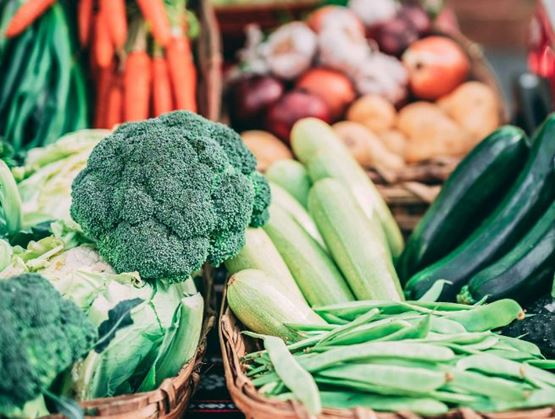
By focusing on this return to basics, these plant-based alternatives can become a genuine culinary offering in their own right. By freeing themselves from the constraints of imitation, manufacturers are able to move their offerings upmarket, thanks to the choice of high-quality raw materials, local sourcing and the adoption of artisanal manufacturing techniques.
While demand for sustainable food options is constantly on the rise, their success depends on their ability to make this strategic shift in order to gain a foothold in larger-scale consumption. This is especially true given that 54% of European consumers say they avoid plant-based alternatives because they are ultra-processed.
Good advice
Producers: Focus on total transparency with communication centred on the origin and quality of your raw materials, the simplification of the composition of your plant-based alternatives and the authenticity of the flavours.
Retailers: Integrate plant-based alternatives into your point of sale as a product in their own right, rather than as substitutes for meat products.
To find out more, visit the Gourmet Selection trade show, which will be held on Sunday 6 and Monday 7 June 2026 at Paris Expo Porte de Versailles.