
THE WORLD OF HOT DRINKS: AUTHENTICITY, CRAFTSMANSHIP AND INNOVATION

Hot drinks are experiencing a real revival, driven by consumers seeking authenticity and meaningful products. Coffee, tea, herbal teas and rooibos: each category is now exploring a new balance between tradition and modernity. At Gourmet Selection, this movement is embodied through a selection of brands that are shaking up the rules, combining craftsmanship, environmental commitment and sensory storytelling.
According to Grand View Research, the French hot beverage market is now worth more than €10.2 billion, with annual growth of around 5%. This growth is driven by the rise in popularity of speciality coffee and premium teas. In delicatessens, these beverages are now becoming true vectors of identity and sensory experience.
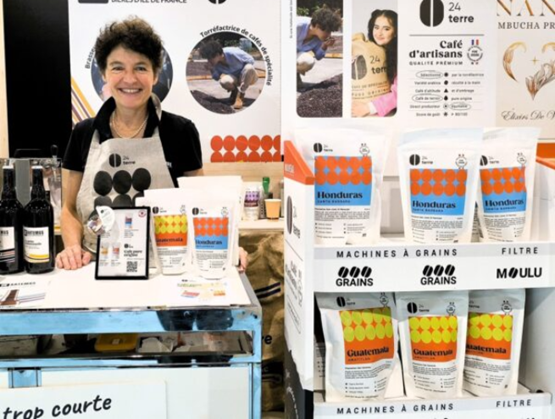
Café 24 Terres: the demands of the terroir
For Claire Viger, founder of Café 24 Terres, every bean tells a story. A roaster based in Val-de-Marne, she travels throughout Central America in search of passionate producers, selecting pure, unblended coffees, in the manner of fine wines. ‘I choose my coffees in the field, during cuppings where I taste, compare and select. It's a job that requires total immersion,’ she explains.
Her model is based on direct trade, without intermediaries, and fair remuneration for producers. ‘When commercial coffee is worth £1 per kilo, specialty coffee can sell for ten times that amount. That money changes lives,’ she emphasises.
According to Grand View Research, the French coffee market is expected to reach nearly €9.9 billion by 2030, with an average growth rate of 5% per year. As for specialty coffee, it is growing at an annual rate of more than 11%, thanks in particular to the rise of micro-roasters and high-end coffee shops.
For its first participation in the Gourmet Selection trade show, Café 24 Terres highlighted its Guatemalan and Honduran origins, two so-called ‘gateway’ coffees, perfect for delicatessens wishing to introduce their customers to the richness of specialty coffee.
Brume: the poetry of infusion
In contrast to coffee, but with the same artisanal standards, Brume is reinventing the world of infusions. Created in Toulouse during the COVID-19 lockdown, Arnaud Monville's brand offers five recipes based on organic rooibos, French plants, flowers and fruits. These creations are handcrafted, with each ingredient selected for its purity and origin.
‘I wanted to move away from the usual flavours: vanilla, cinnamon, Christmas spices, and offer something more poetic,’ says the founder. This has resulted in surprising blends such as L'Embelli, made with buckwheat and bergamot, and Parmi les Nuages, a combination of coconut and peach.
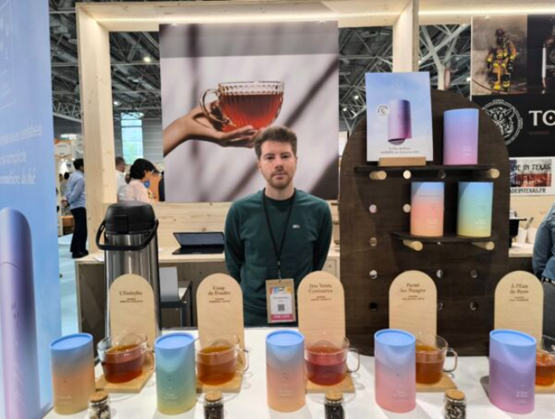
Each infusion has an evocative name and is accompanied by a poem, inviting relaxation and escape. Produced between Toulouse and Paris, Brume infusions are part of a strong market trend: that of hedonistic well-being, where pleasure and naturalness come together.
The herbal tea and infusion segment is also experiencing steady growth. According to Fact MR, it is growing by 5.3% per year, driven by demand for organic and caffeine-free products. In France, delicatessens such as La Grande Épicerie de Paris now offer more than 150 varieties of herbal teas and teas, proof of a growing enthusiasm for ‘healthy pleasure’.
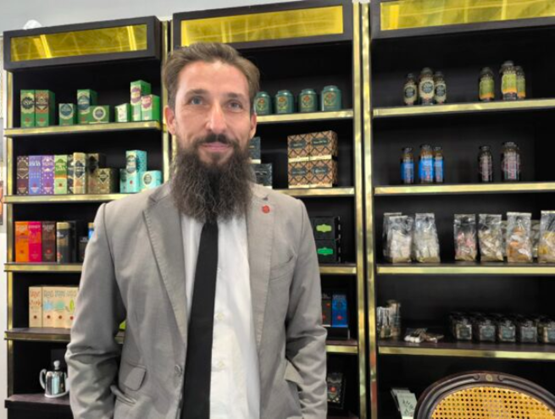
Wright Tea: tea culture reinvented
Behind the British name Wright Tea lies a bold and inspired Moroccan company. Based in Casablanca, it pays tribute to Richard Wright, the British financier who invented the Moroccan teapot in the 19th century. "Tea is part of our cultural identity. It is a symbol of hospitality, a living tradition," explains Guillaume Pinaud, the brand's head sommelier.
Wright Tea stands out for its dual approach: a range of grand crus d'origine (India, China, Japan) and a collection of flavoured teas inspired by Moroccan rituals. Everything is produced in Casablanca, in a workshop combining craftsmanship and R&D.
The brand also develops sparkling teas and non-alcoholic cocktails, designed for hotels and embassies.
According to Grand View Research, the French tea market is worth around £370 million and could exceed £480 million by 2030, driven by premiumisation and interest in teas of origin. According to the Salon Gourmet Selection, France consumes nearly 30,000 tonnes of tea per year, mainly in bulk and through specialised channels. In delicatessens, tea has become a marker of elegance and art de vivre.
The same requirement, three interpretations
Between the terroir of Café 24 Terres, the poetry of Brume and the cultural elegance of Wright Tea, one common thread stands out: artisanal expertise. All three claim complete control, from sourcing to processing, and a shared desire to educate consumers about quality.
This move upmarket for hot drinks responds to two expectations: transparency and emotion. Transparency in terms of origin and practices, emotion in terms of taste and narrative. At Gourmet Selection, hot drinks are no longer just an additional shelf, but a means of differentiation for delicatessens.
A changing sector
The rise of artisanal hot drinks illustrates the transformation of the gourmet market. Consumers are looking for less standardised products that combine pleasure, responsibility and identity. These brands, combining innovation and tradition, are responding to this new demand by promoting craftsmanship, terroir and creativity.
At Brume, the packaging reads like a poem. At Café 24 Terres, traceability takes the form of a sensory passport. At Wright Tea, tea becomes an aesthetic ritual. These are all approaches that appeal to distributors looking for products with meaning and added value.
At Gourmet Selection, these initiatives illustrate the evolution of the market: hot drinks are no longer a static category, but a field of innovation, identity and culture.
Meet all the professionals in the hot drinks and fine food sector at the Gourmet Selection trade show from Sunday 7 to Monday 8 June 2026 at Paris Expo - Porte de Versailles Hall 7.2.