
FOOD, AT THE HEART OF CONSUMER INTEREST: FINE FOOD LEAD THE WAY

Food plays a leading role in this shift. 49% of French people say it is the area in which they are most curious and open to discovery, far ahead of culture (21%), fashion and accessories (16%) or home décor (15%).
And for 71% of them who consider themselves curious in their consumption habits, quality food is a constant source of exploration: new products, lesser-known origins, artisanal expertise, and unexpected combinations. With its diversity, rich flavours and deep roots in local terroirs, the fine food sector is precisely the world that meets this aspiration.
It does not merely sell products: it offers stories, discoveries and emotions.
Pleasure at the heart of every purchase
Perhaps the most telling finding in the survey is also the simplest: 89% of French people believe that consumption is a way of treating oneself.
This is a remarkable figure, which cuts across all age groups and income levels, and which places pleasure as the primary motivation for purchasing, well ahead of necessity or social status. 77% of respondents say they actively seek moments of pleasure when they consume, and 74% enjoy it when a purchase allows them to experience a special moment.
The fine food shop is, by its very nature, a hedonistic realm. A jar of chestnut honey, a tin of vintage sardines, a balsamic vinegar aged for twenty years, a grand cru chocolate: each product carries a promise of exceptional quality that goes beyond mere nutrition. The selection of the product, its presentation in-store, and the shared moment of tasting all contribute to making a purchase at a fine food shop an experience in its own right – precisely what consumers in 2026 are looking for.
The survey also confirms that 77% of French people believe that eating allows them to share moments with their loved ones: fine foods, designed to be given as gifts, enjoyed together and discussed, are at the heart of this culture of sharing.
Curiosity, discovery, expertise: the driving forces behind the fine food sector
The survey also reveals that 73% of French people believe that eating and drinking allows them to discover new products and innovations. For gourmet products, this presents a direct opportunity: the sector is one of the most creative in the agri-food industry, with constant new launches, daring flavour combinations, and producers who are reinventing traditional recipes or exploring new raw materials.
Fermented condiments, artisanal pasta made with heritage flours, single-flower local honeys, wild fish preserves, rare spices traceable to the specific plot of land: the fine food sector is constantly reinventing itself and feeding this culinary curiosity that the French rank at the top of their list of desires.
The appeal of artisanal production and traditional skills confirms this trend. 93% of French people say they are interested in the idea of spending a day alongside an artisan to discover their craft, and food-related trades consistently top their list of preferences: chocolatier, chef, baker, cheesemaker. Behind this figure lies a broader aspiration to understand what we eat, to reconnect with the craft of production, and to put a face to a product. The fine food retailer, themselves an expert and a conveyor of flavours, embodies this role precisely: they select, explain, advise and transform every visit to the shop into an immersion in a unique world of production.
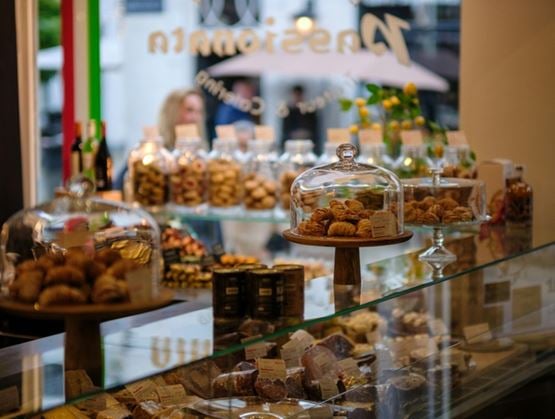
Physical retail: irreplaceable for the fine food sector
Wines, spirits and premium drinks: a field of interest in its rightful place
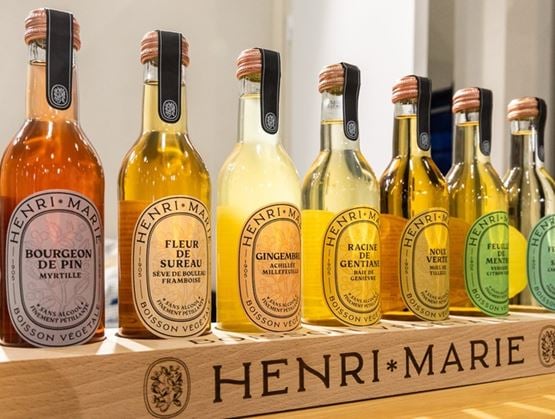
The move towards higher-end teas, speciality coffees, artisanal juices and premium non-alcoholic drinks also reflects a shift in consumer expectations that extends well beyond wines and spirits alone. Delicatessens are naturally well-positioned to capture this demand, provided they know how to showcase it and contextualise it with relevant product pairings – exactly what the Gourmet Selection trade fair offers within its drinks section.
‘Made in France’ and nostalgia: two powerful drivers of trust
The survey reveals that 53% of French people say they place great importance on the ‘Made in France’ criterion when making purchasing decisions, with the highest figures among older people (64% of those aged 65–75) and affluent households (60%). For high-quality food retailers, this criterion is fundamental: regional specialities, artisanal preserves, local jams and charcuterie with protected designation of origin benefit directly from this national preference. 35% of French people have even gone so far as to forgo a purchase because they could not find a satisfactory French-made alternative – a strong indication that demand is not satisfied by geographical proximity alone, but also demands the quality and authenticity that fine food specialities are precisely able to offer.
Nostalgia also plays a significant role: 41% of French people actively seek out products or brands from their childhood, driven by nostalgia for a bygone era, the comfort of familiar flavours, or the desire to share these memories with their loved ones. For fine food retailers who work with artisan producers rooted in traditional recipes – regional biscuits, salted butter toffees, old-fashioned fruit jellies, and traditional syrups – this data confirms the commercial value of culinary heritage.
Gourmet Selection, the gathering place for professionals in the fine food sector
These trends are not merely abstract: they take shape every year in the aisles of Gourmet Selection. The trade fair brings together over 360 exhibitors representing 504 brands from France and across Europe, attracting 5,350 trade visitors, 50 per cent of whom come from fine food retailers and 30% from specialist retailers. Its five sectors – savoury, sweet, wine and beverages, non-food and services – cover the full range of high-quality food categories. Established names such as Giusti, Nougat Chabert et Guillot, MONIN and Le Fondant Baulois share the floor with emerging artisan producers from all regions of France.
The 2026 French Consumer Barometer by Foire de Paris was carried out by L’ObSoCo from 24 November to 2 December 2025 amongst a sample of 2,000 people, representative of the population of mainland France aged between 18 and 75 (gender, age, socio-professional category, region, size of residential conurbation and level of education).
Image credit: Haberdoedas Photography - Pexels