
FINE FOOD PRODUCTS, A NEW AVENUE FOR FOOD RETAILERS

Traditionally sold by specialist retail outlets, fine food products are enjoying new visibility thanks to food retailers. They’re not making room for them on their shelves just for the fun of it: diversifying their product range has become essential to boost sales. The feedback from the field is convincing.
The delicatessen as a social hub
An organic bakery opened in rue Daguerre, a very busy Parisian shopping street, in 2020: "From the outset, we wanted to provide a bakery that was also a social venue, with a tearoom and an area where you can buy products that are different from what you see in supermarkets", explains Julien Blavette, founder of Les Frères Blavette.
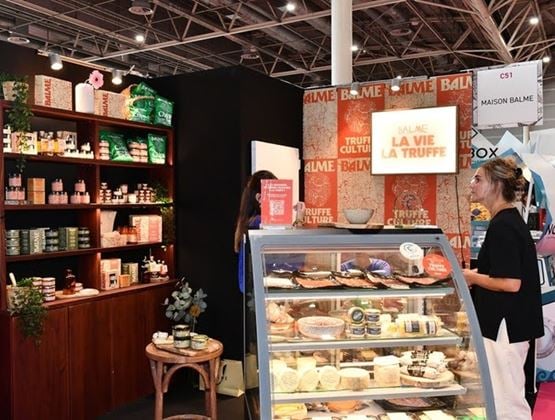
Undaunted, Julien Blavette also decided to develop a range of unusual drinks to go with his lunch deals. Fresh juices, soft drinks and artisan iced teas... A selection of organic, local and ethical beverages, designed to gradually move away from the industry standards.
Although lack of space has meant he has had to set a limit on the number of items he stocks, Julien is still keen to develop the shop’s ‘fine food store’ corner: "Here, or in another outlet", he concludes. It remains to be seen where his idea will find room to grow.
Selection, tasting, loyalty
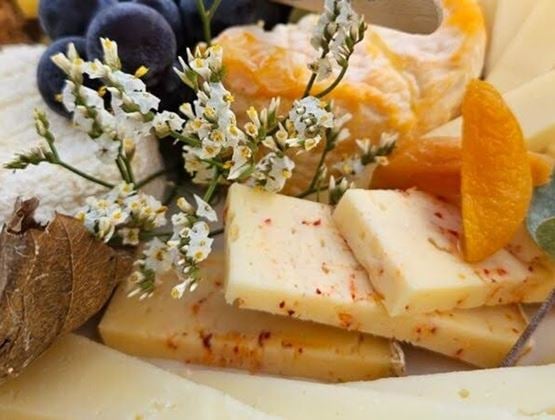
Proud to contribute to the wealth of France’s culinary heritage, the enthusiast has taken the time to find products that will suit his customers (by taking part in Gourmet Selection, for example). Here, too, the story echoes the store’s star products: honeys, jams and pickles to complement a cheese platter. Savoie wine and charcuterie to go with raclette cheese, as well as soups in winter and aperitif products for the summer. "There’s such a wide range of grocery products that we can play on seasonality and boost the number of occasions for using them", explains the cheesemonger. Although he had to be patient for the range to ‘get through’ to his customers, the benefits are now clear to see: "Customers will see products once, twice, three times before making a purchase. Tasting does the rest: offering a spoonful is often enough to dispel any remaining doubts."
Today, some customers come into the shop to buy products they can’t find elsewhere. As a means of building loyalty, the additional sale then becomes a target purchase: "I know that if I had more room, I would make more revenue through this space", confirms Ronan.
The more we spoke to people, the more it became apparent that quality grocery products are no longer a side line in the food trade. A testing ground, revealing values, and driving loyalty, they are now an integral part of the shopping experience. While space constraints may slow progress, the appetite to go further suggests that this is just the beginning.