THE ART OF ALCOHOL-FREE TASTING

About ten years ago, the United Kingdom launched the concept of Dry January. Since then, the alcohol-free trend has gradually taken hold – particularly among Gen Z, who consume less alcohol than previous generations, according to a Statista Consumer Insights study conducted in 2024. (source: Statista – ‘Generation Z consumes less alcohol than its elders’ – 2025).
Many brands have already pre-empted the market with beer and spirits substitutes to attract consumers with easily recognisable drinks, as we have seen in the plant-based alternatives market. Journalist Camille Bour-Roussi has also observed a shift in the wine market. While she believes that some professionals remain sceptical about alcohol-free wine, others see it as a commercial opportunity. This is the case with Moët Hennessy, which invested in French Bloom at the end of 2024 – alcohol-free sparkling wines inspired by the codes of the Champagne industry.
However, the focus of alcohol-free drinks is shifting towards the tasting experience, with more original offerings drawing inspiration from the world of mixology. Increasingly sophisticated, these creations reveal an aromatic complexity through flavour-rich compositions that do not compromise on taste.
Aware of the emergence of this trend, the restaurant industry is not to be outdone and now offers inventive non-alcoholic pairings with bold cocktails, herbal decoctions and infused drinks. The Michelin Guide confirms it: in 2025, wine will no longer be the preserve of tasting menus. (source: Michelin Guide - Article New gastronomic trends: what does 2025 have in store for us?) A pioneer in this field, chef Adeline Grattard's gourmet restaurant Yam'Tcha has been offering food and tea pairings for many years. In the north of France, chef Florent Ladeyn works with a sommelier on non-alcoholic pairings for his Auberge du Vert Mont, where fermented drinks, kefirs and kombuchas are paired with local dishes.
Like any new market, the non-alcoholic market is taking shape. Its future will depend on its ability to become part of the art of living, where celebration remains the order of the day. To meet consumer expectations, offerings will need to be festive and unique, so as not to limit the range to simple juices and sodas, which are often perceived as too sweet.
Good advice
Manufacturers: focus on the tasting experience by creating aromatic blends that go beyond simple substitutes and classic soft drinks.
Distributors: expand your range of non-alcoholic drinks to attract younger customers and establish your range as a festive drink, both in shops and online.
Examples of brand products available at Gourmet Selection
Nona
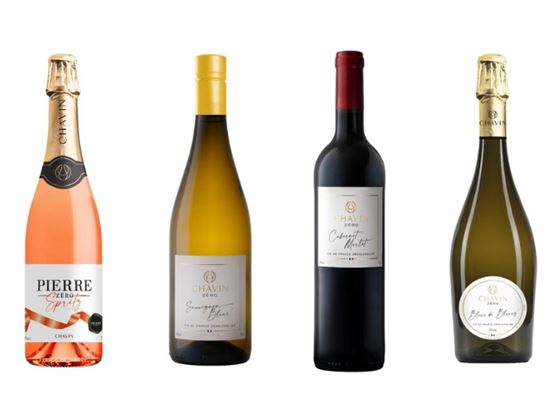
Maison Chavin
Based in the south of France, Maison Chavin cultivates the art of difference by creating non-alcoholic wines with innovative profiles. Originally from Champagne, its founder Mathilde Boulachin puts her creativity and audacity at the service of her peers' expertise to accompany the wine world of tomorrow.
Developed by the company's oenologists, the Alcohol-Free Collection is based on noble grape varieties: Chardonnay, Sauvignon Blanc and Merlot. True to French wine-making tradition, the brand recently launched its Blanc de Blancs in Vin De France, a de-alcoholised and carbonated wine made from a blend of exceptional Chardonnay grapes.